





 Back to top
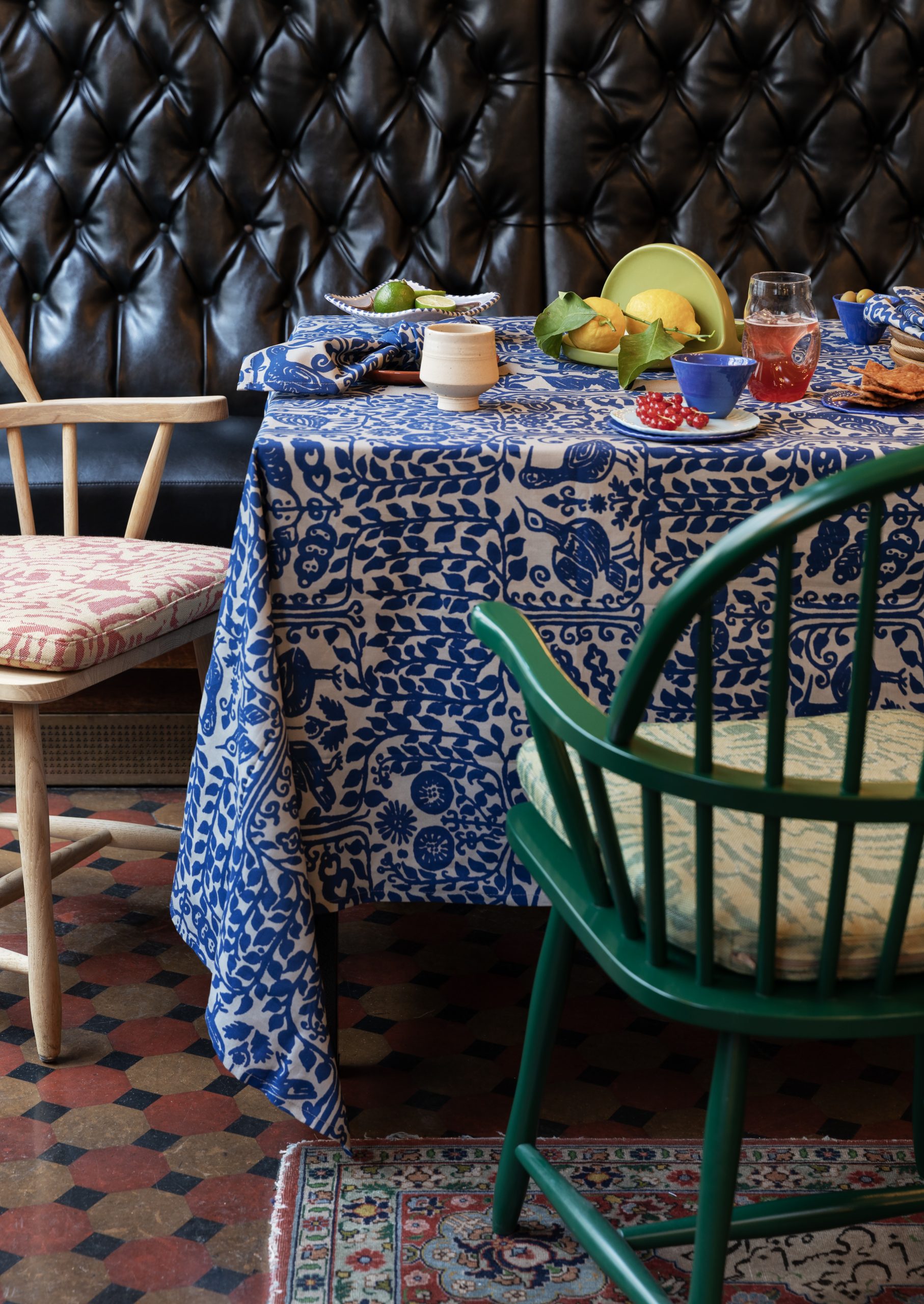
For Alf Sture and Gunnvor Een Sture, design was not something that should impress, but rather something that should serve a purpose. The objects they created stemmed from a belief in the home as a place of security.
Directed by Lillian Ayla Ersoy / Written by Hélène Andersen / Photography by Anne Bråtveit
It often starts with the little things. The things that don't always get noticed, but are always there. A tablecloth on a table. A cloth napkin being unfolded. A pattern that lies in the room like a quiet pulse. Alf Sture wrote that for a person to thrive, it is important that they live in a safe environment. For the Sture family, this was not just a thought, but a practice: to surround themselves with the familiar and beloved, the things that come alive through use.
"We want to surround ourselves with familiar and beloved things, things that are alive for us and that mean something to our minds..." – Alf Sture
This is where textiles come in. Textiles are not just something you see, they are something you touch, live with, wash, fold, put away, and take out again. They become part of the everyday rhythm of our homes.
The tablecloth that was never just a tablecloth
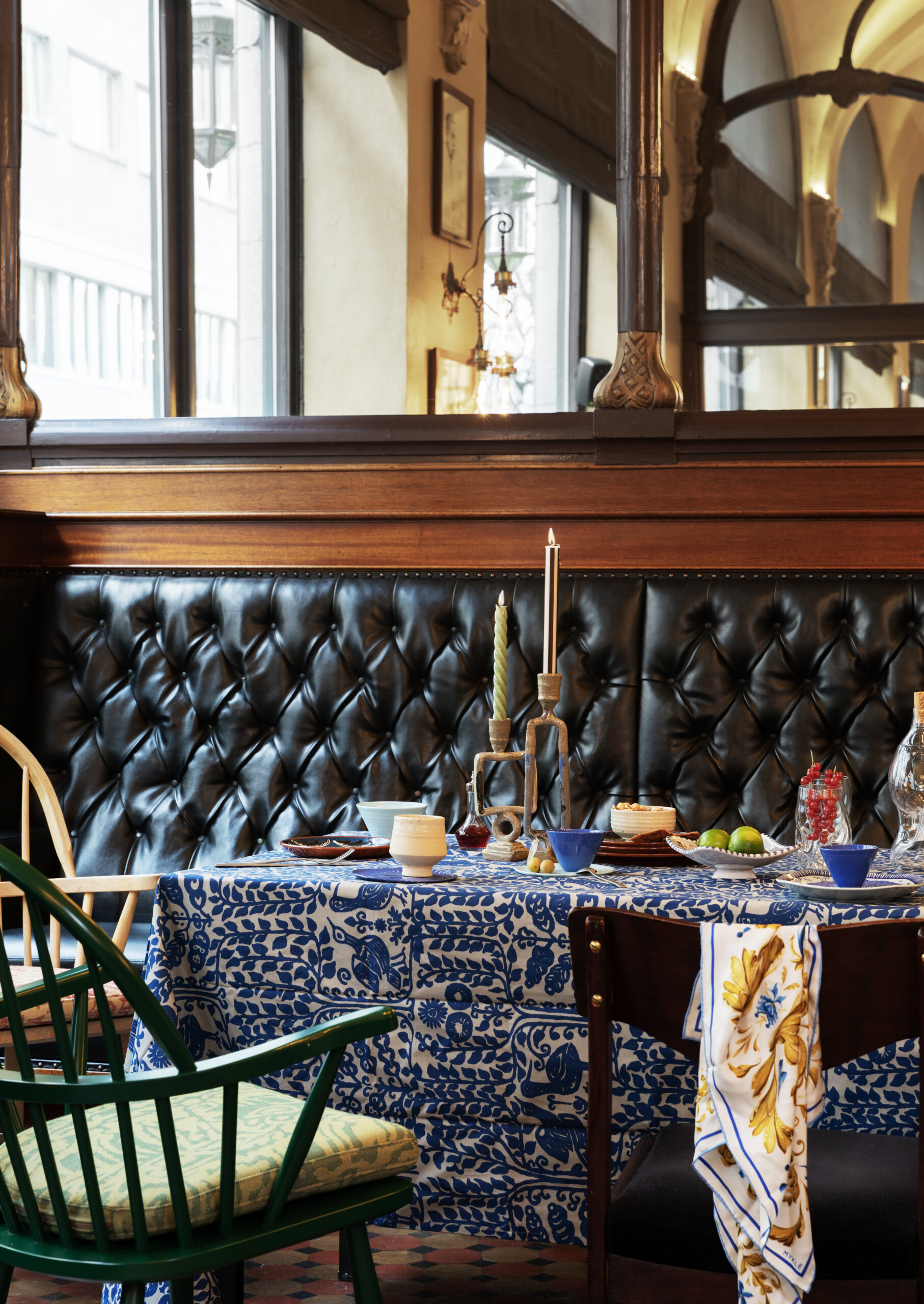
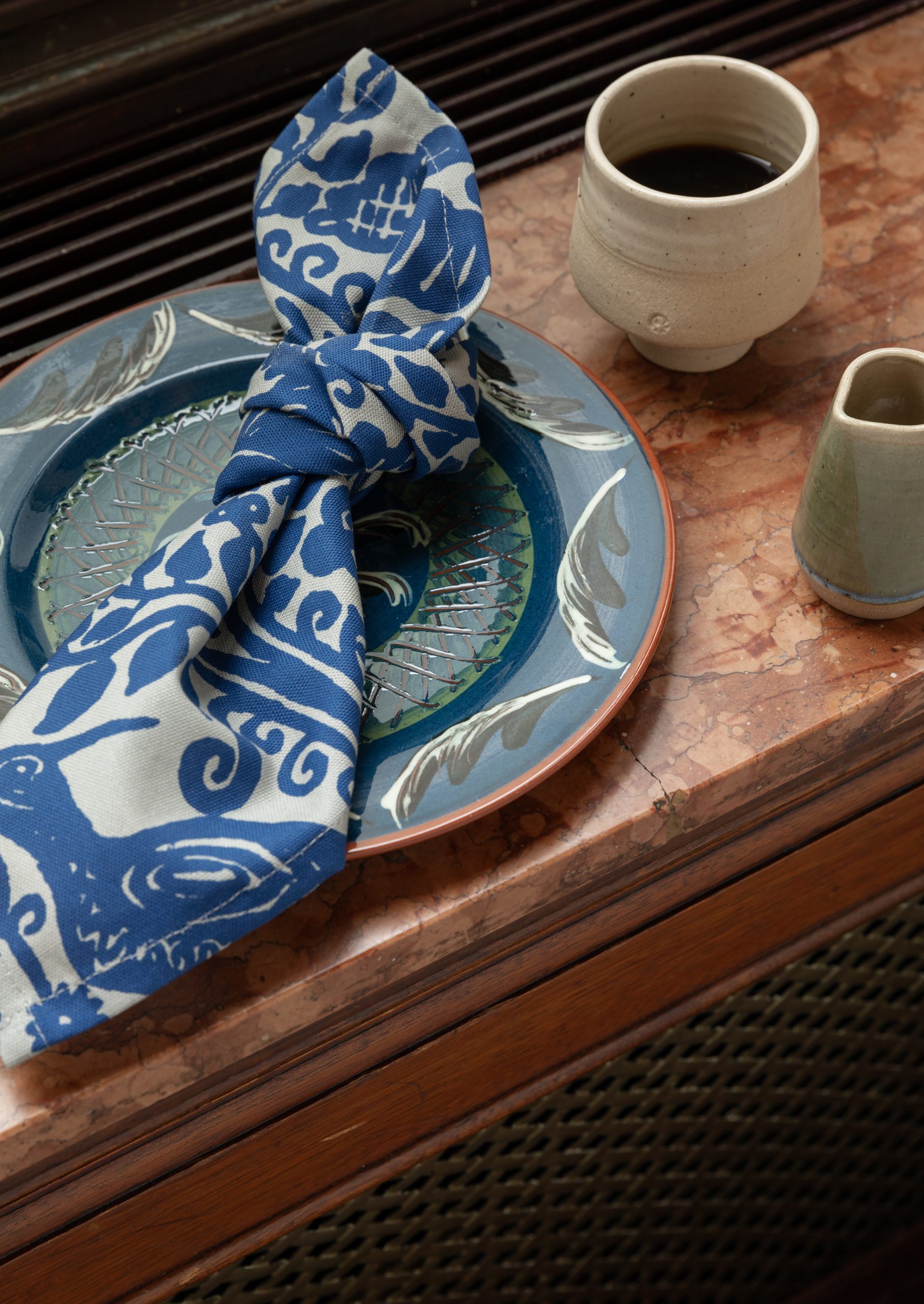
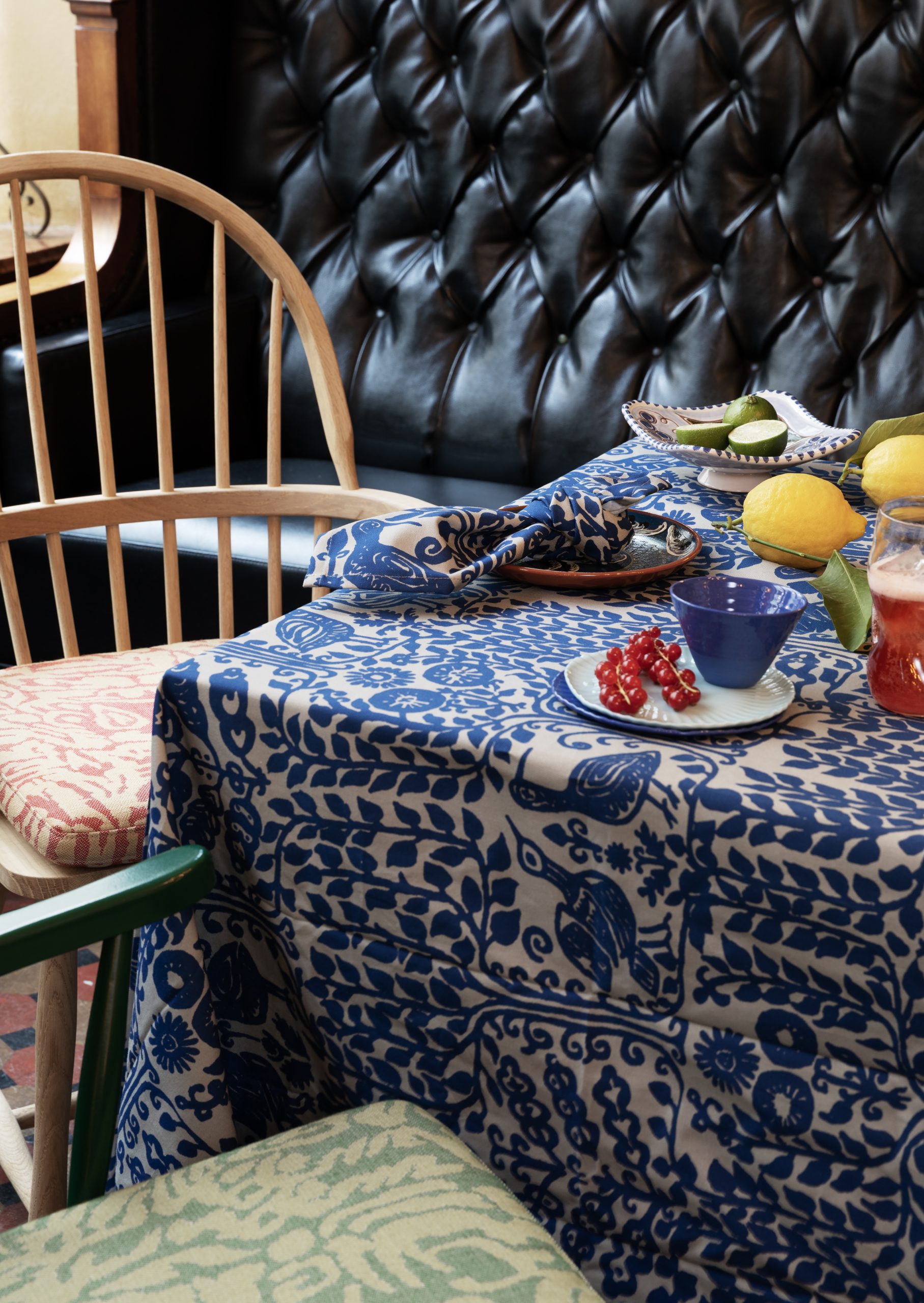
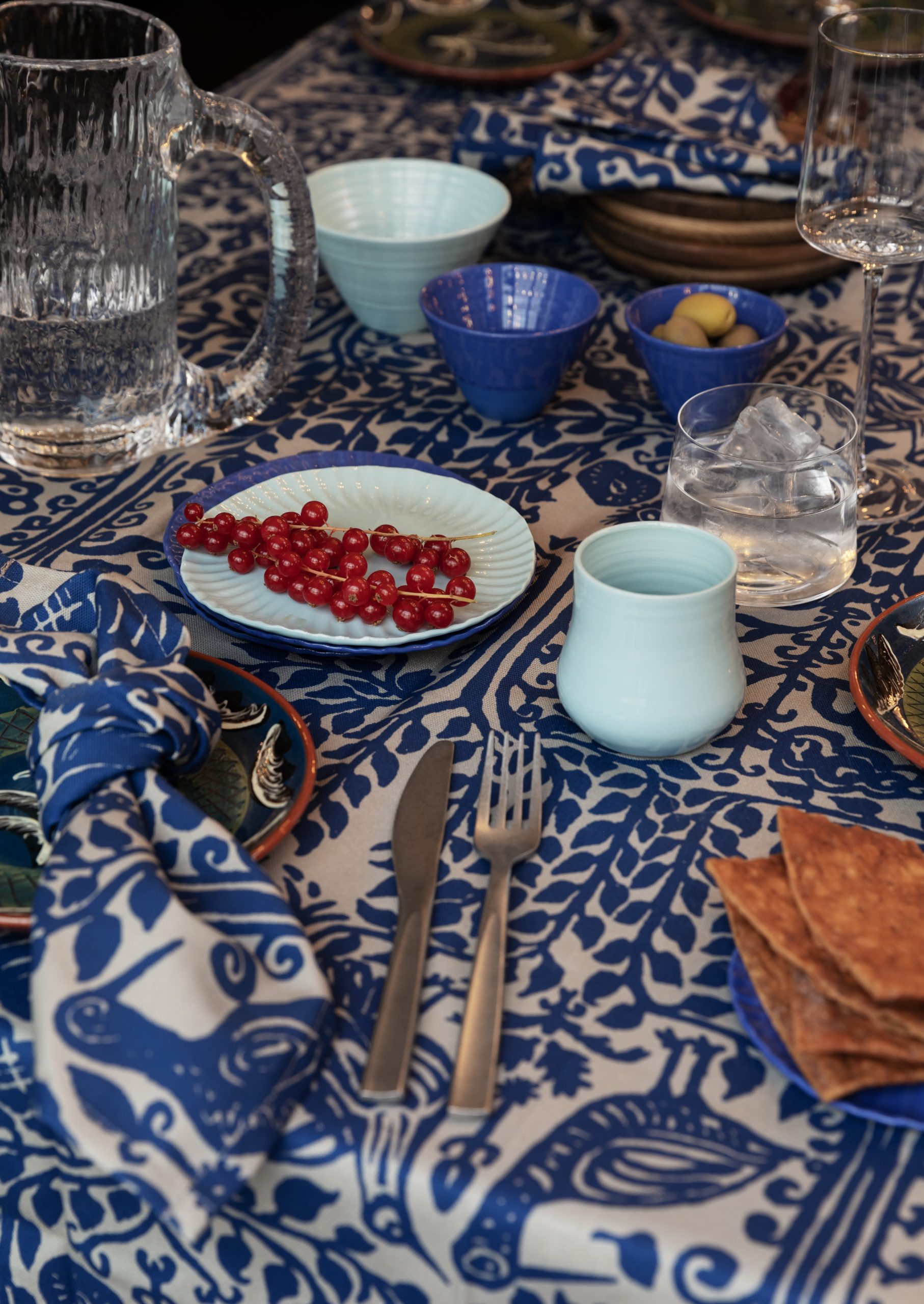
The tablecloth with the bluebird motif was a long-standing fixture in the Sture family's cabin. The original tablecloth has a handmade and imperfect look, made with natural pigments and woven on a gray cloth with uneven edges around the figures. A bit like a signature: a reminder that home is not a showroom, but a place where life happens.
There has been uncertainty surrounding who actually designed the tablecloth, but it has now been established that Gunnvor was responsible for the design and that the tablecloth was made between 1952 and 1954.
Today, the motif on the tablecloth is printed in its entirety and produced by British company Standfast & Barracks. Sture AS, run by two of Alf and Gunnvor's grandchildren, is behind the relaunch. David and Patrick Sture work on this daily alongside their architectural jobs, and want to ensure that the Stures' design is given a new lease of life both at home and abroad. The snipe motif is now available as a tablecloth, cloth napkin, and kitchen towel, and is equally suitable for Theatercaféen (where these pictures are from) as on the dining table in a modern home or cabin.
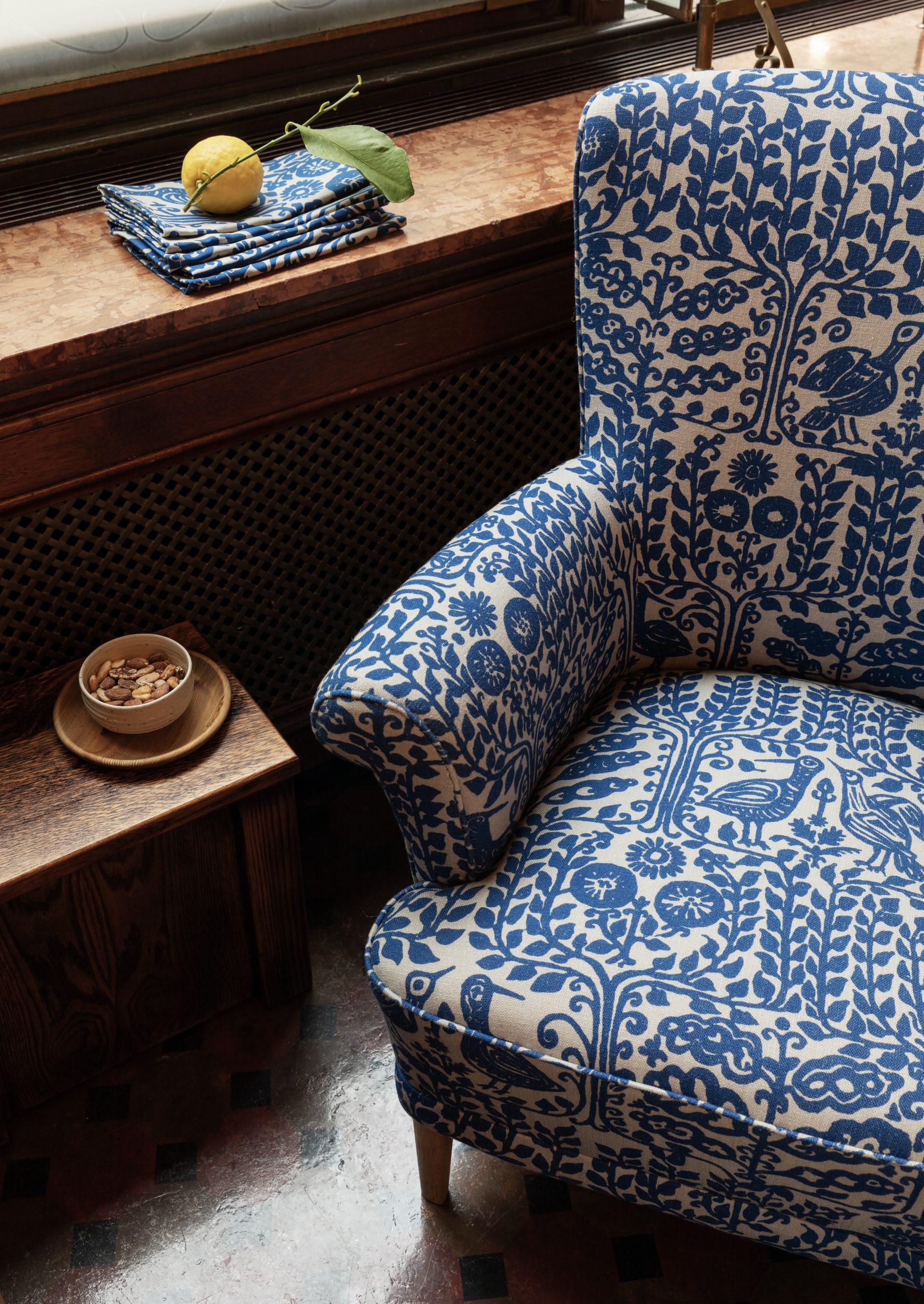
The bluebird motif does not stop at the edge of the table. In recent times, it has also found its way into furniture – including through Katinka chair, an armchair designed by Alf Sture between 1952 and 1953. The Katinka chair also shows how Sture's designs were intended to be lived with. When it is covered in the Blåsnipe motif, the idea of the familiar and beloved takes on a physical weight: you can literally sit down in it.
Gunnvor: the tranquility of craftsmanship
Gunnvor Een Sture was not just part of her husband's story—she was a prominent designer in her own right. After high school, she learned to draw more systematically through a correspondence course before enrolling at the National School of Arts and Crafts in 1942. She attended the school until 1945.
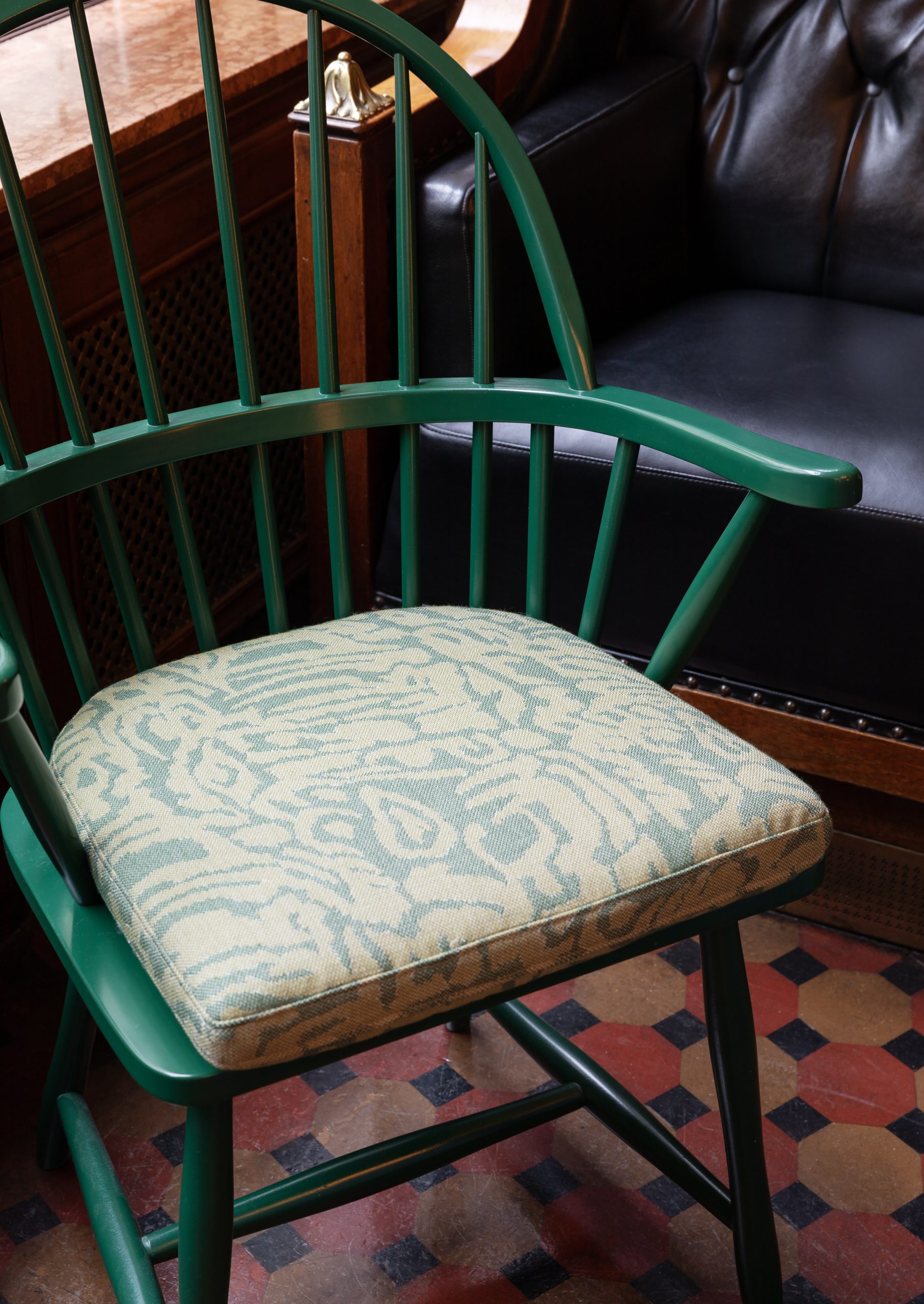
During the summers of 1944 and 1945, she stayed with relatives on her father's side in Voss, where she worked as a carpenter's apprentice. For her final exam, she submitted a dining chair of her own design and craftsmanship, made of lacquered birch with upholstered wool seat covers. Today, it is part of the National Museum's collection. The materials she chose to work with were birch and wool, in other words, good craftsmanship. Things that stand the test of time and become more beautiful with use.
In 1970, Gunnvor designed her own version of a Gripsholm chair—an open and comfortable, informal armchair without springs, with loose Pillows the seat and back. In Sweden, the Gripsholm chair is almost considered a household name, and both Svensk Tenn and NK have their own versions. Gunnvor's version has the same basic tone as everything the couple did: calm, human, allowing the body to relax.
A home where security and love prevail
In 1952, Alf Sture left Hiorth & Østlyngen to start his own design office together with Gunnvor. The following year, they bought the well-established furniture store Chr. Knag on Drammensveien in Oslo. Alf wanted more creative freedom, even though he continued to collaborate with Hiorth & Østlyngen on a regular basis.
The ground floor of the building was a shop, while the attic served as a showroom and design office. Work and home were closely intertwined: an entire life gathered in rooms where things were designed to be lived with, not admired from a distance.
"At home, security and love should reign supreme; it should be a place where the struggle for existence has subsided." – Alf Sture
Textiles are often the most everyday items we own. Because they live with us. Because they bear traces. The tablecloth with birds is not just a pattern. It is a presence that characterizes the room. A reminder that the things we surround ourselves with can come alive and that home can sometimes be found in something as simple as a tablecloth on a table.
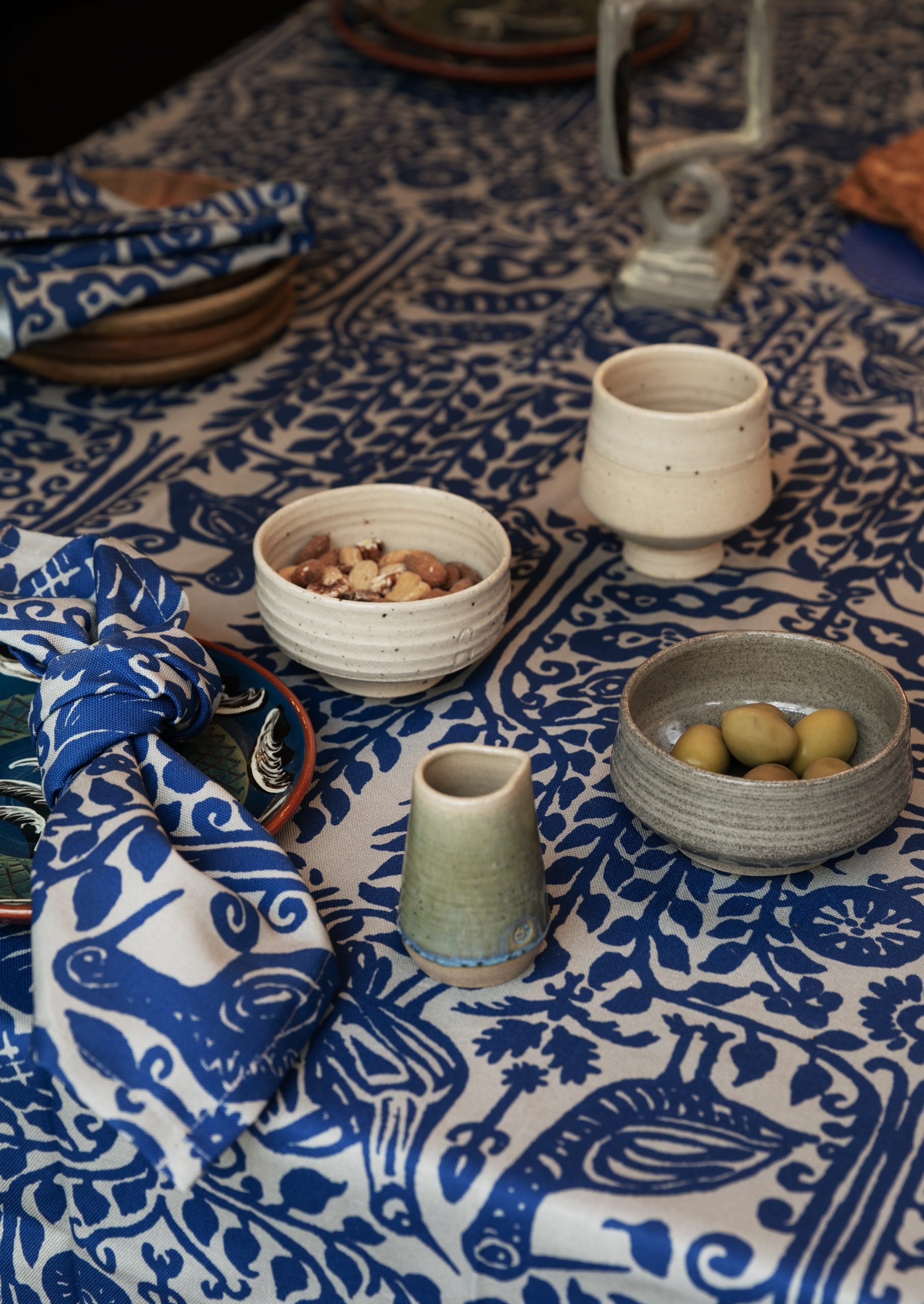
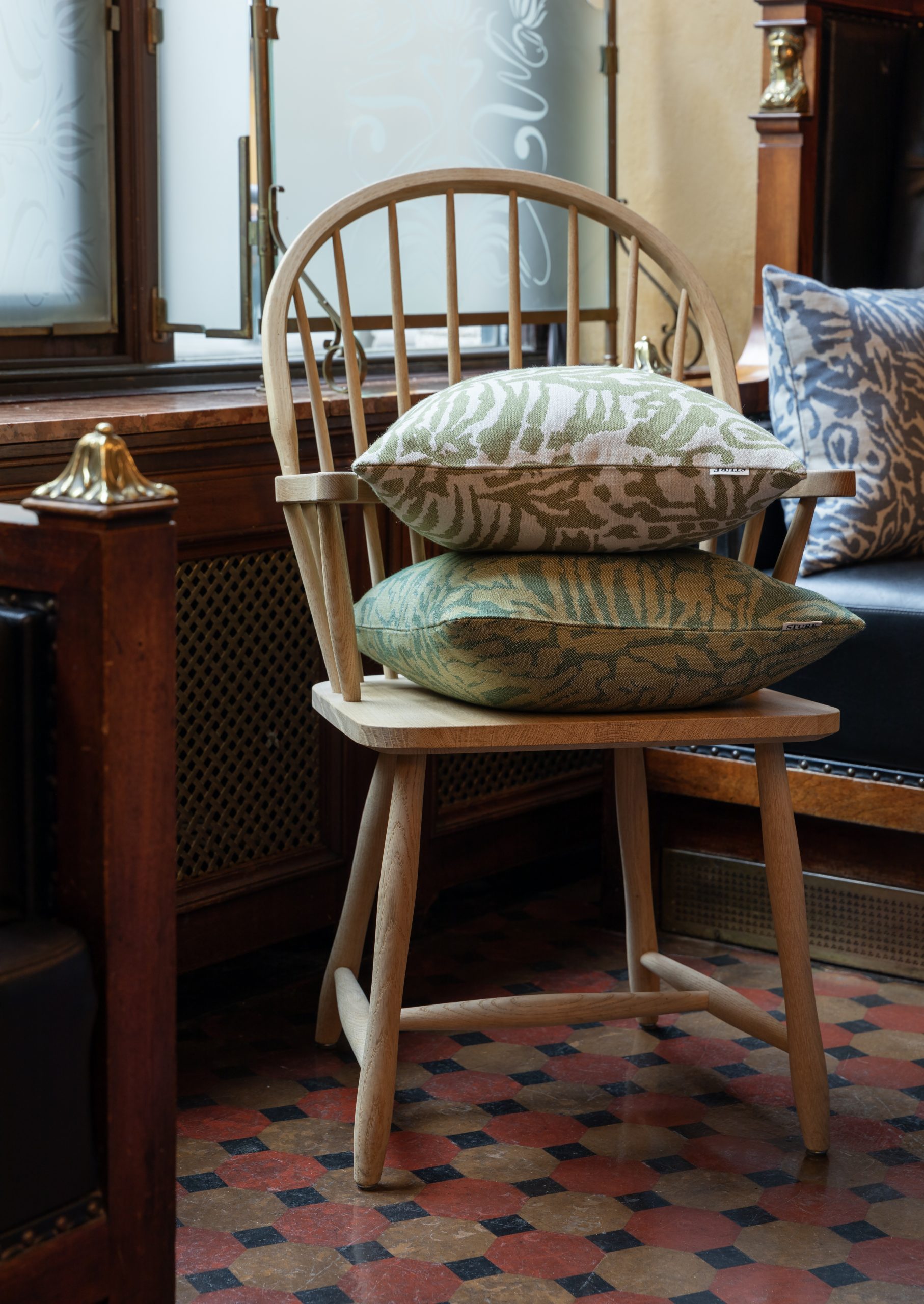
Thanks to Theatercaféen for lending us their premises. The chairs at Theatercafeen were designed by Alf Sture and have been there since 1947. They were manufactured by Hjort og Østlyngen in Hoff, Oslo.