





 Back to top
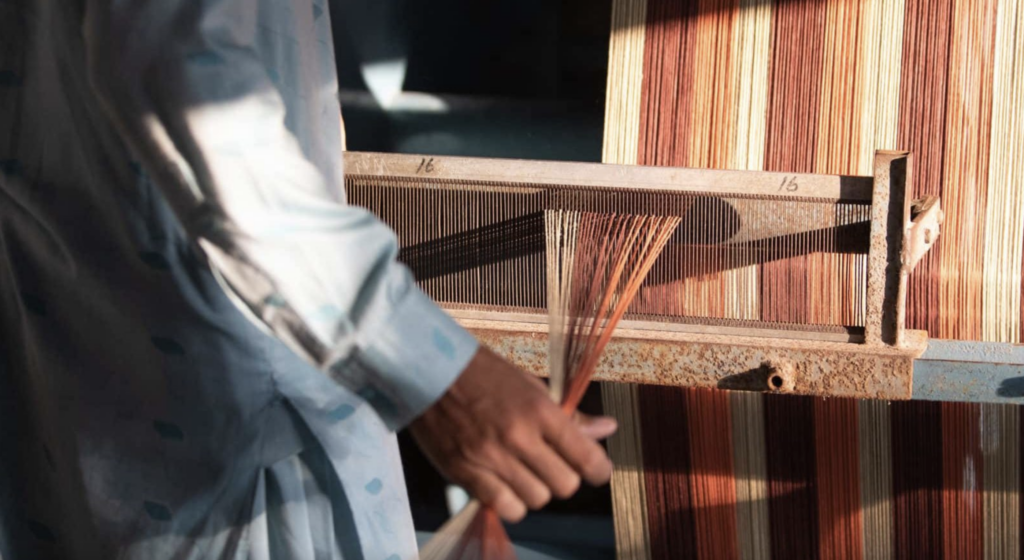
Where Norwegian design meets Pakistani craftsmanship – crafted with care for people and the environment.
At Bokhari, Norwegian design and Pakistani craftsmanship meet in the creation of beautiful interior and textile products. In collaboration with selected Norwegian designers, Bokhari emphasizes responsible and sustainable production, where only natural, recycled or reused materials are used in all handmade products. This approach not only contributes to safe and decent workplaces for hundreds of artisans in Pakistan, but also ensures access to education for their children at the LAMS school, which is located adjacent to the weaving mill.
Buy items from Bokhari
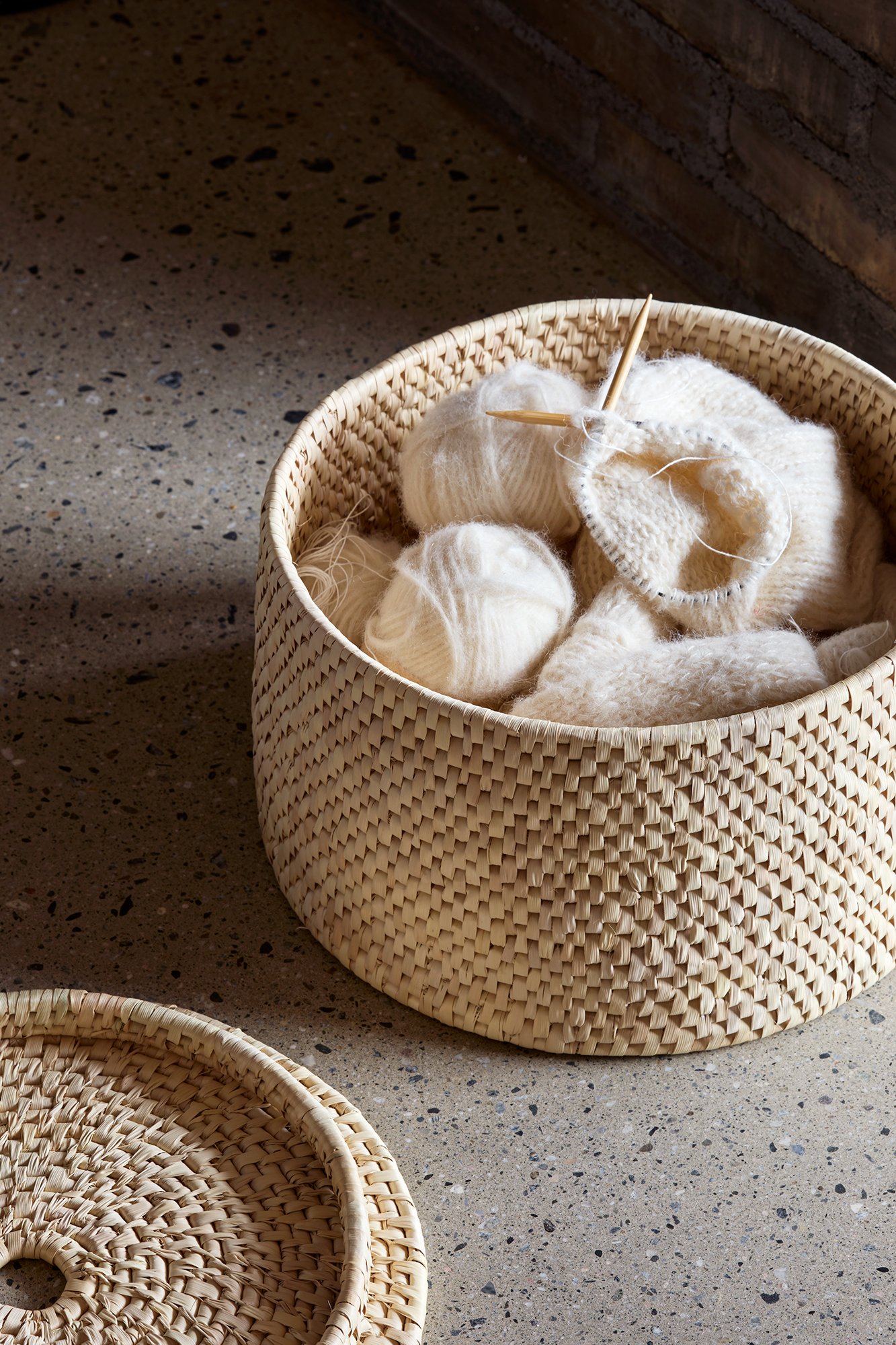
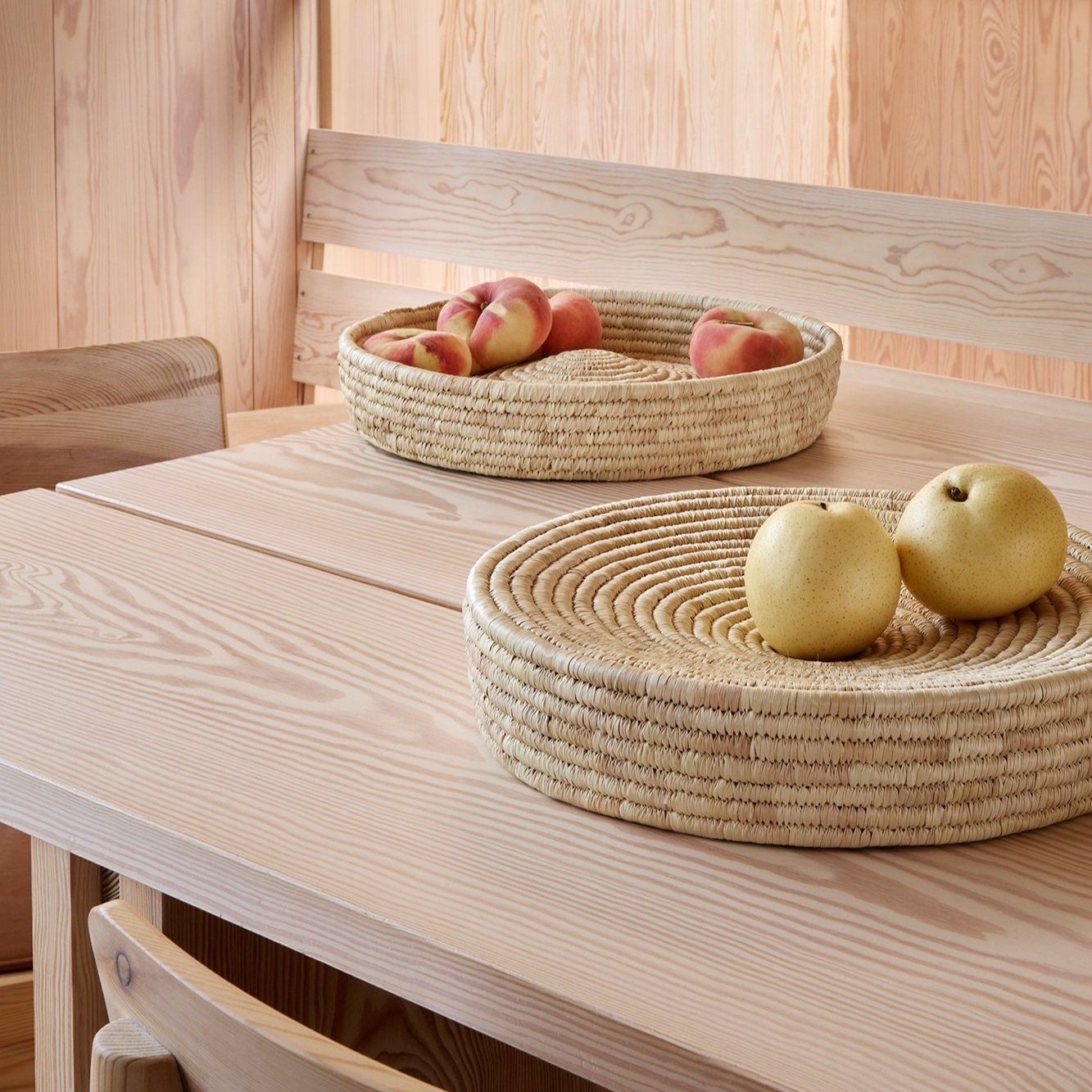
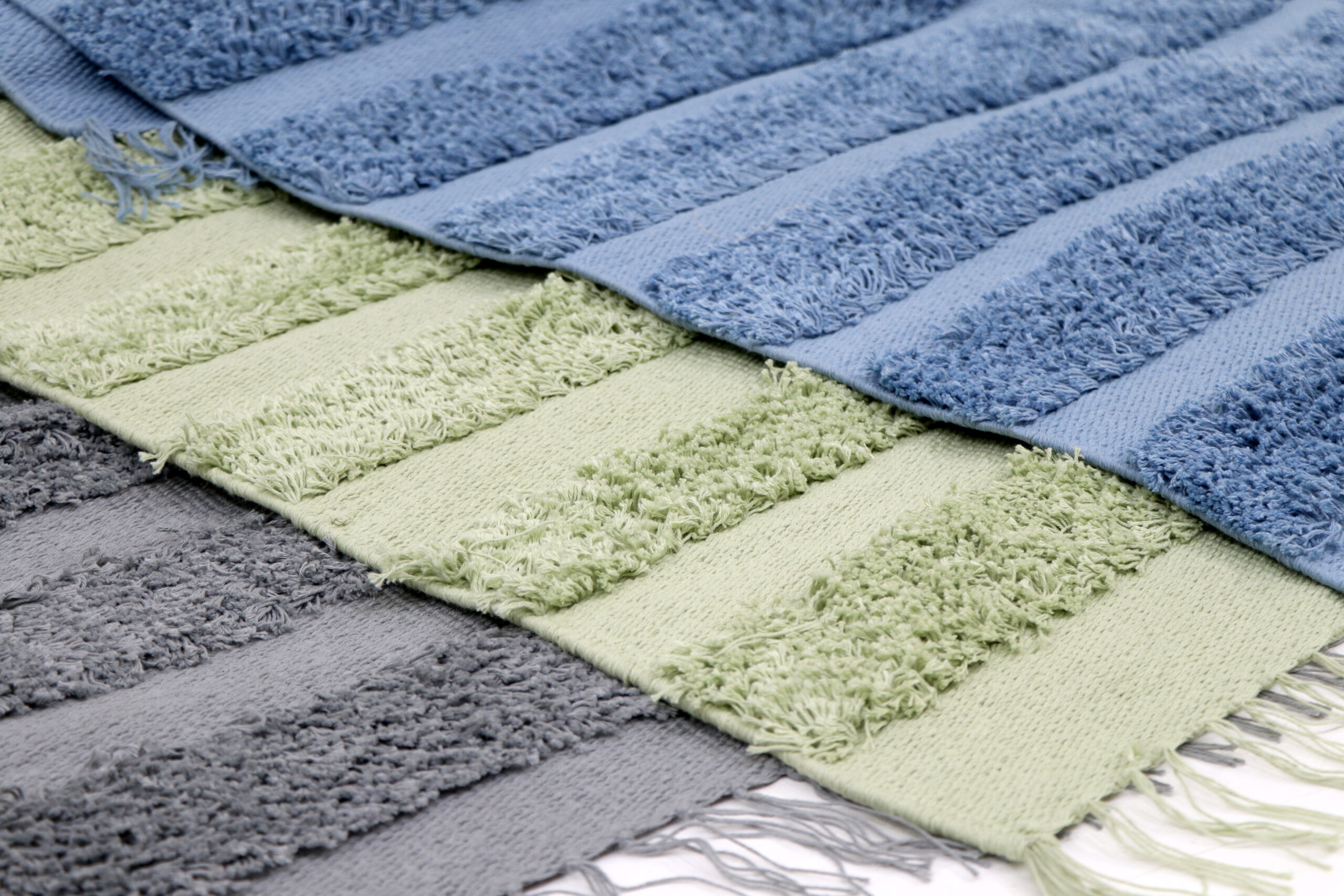

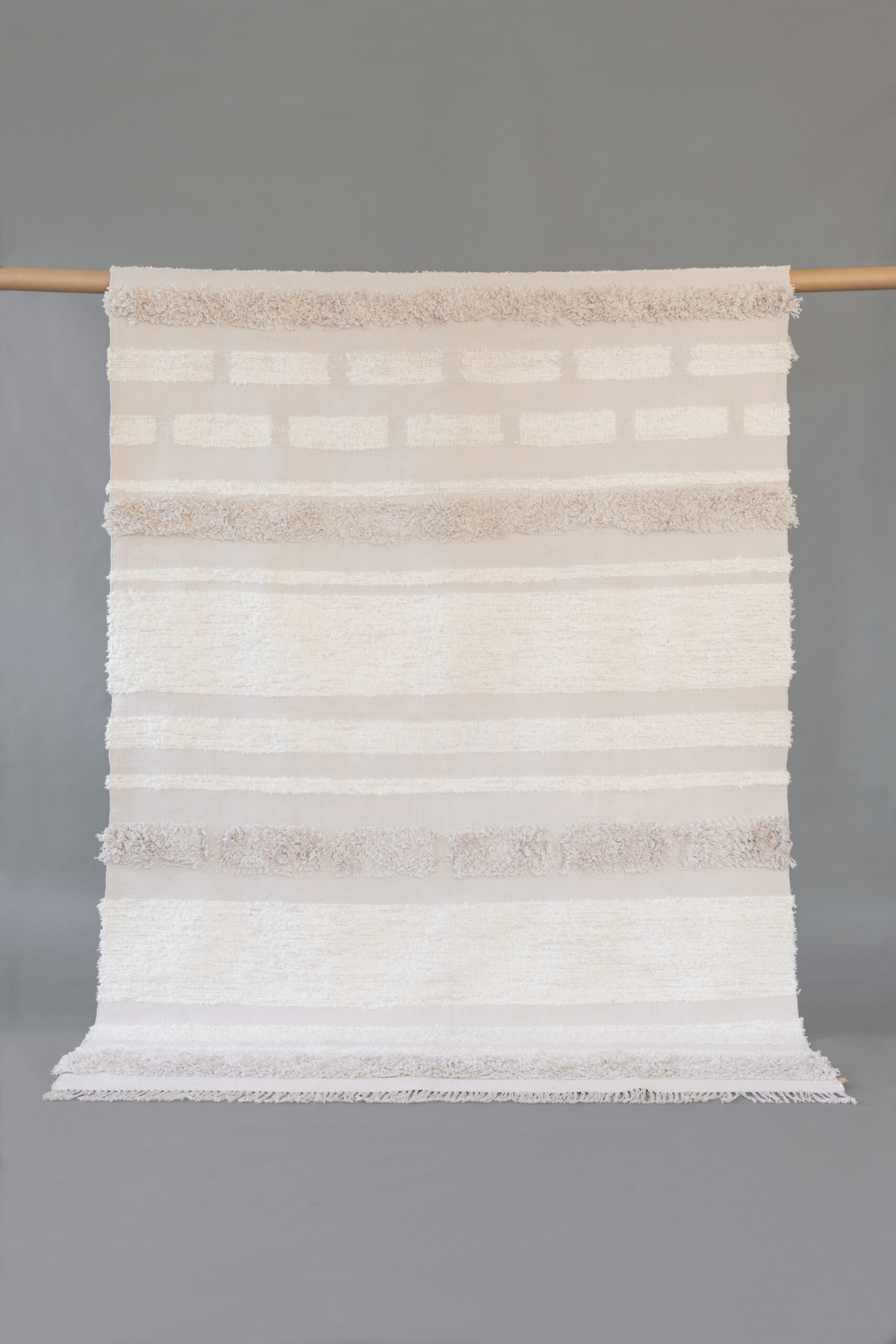
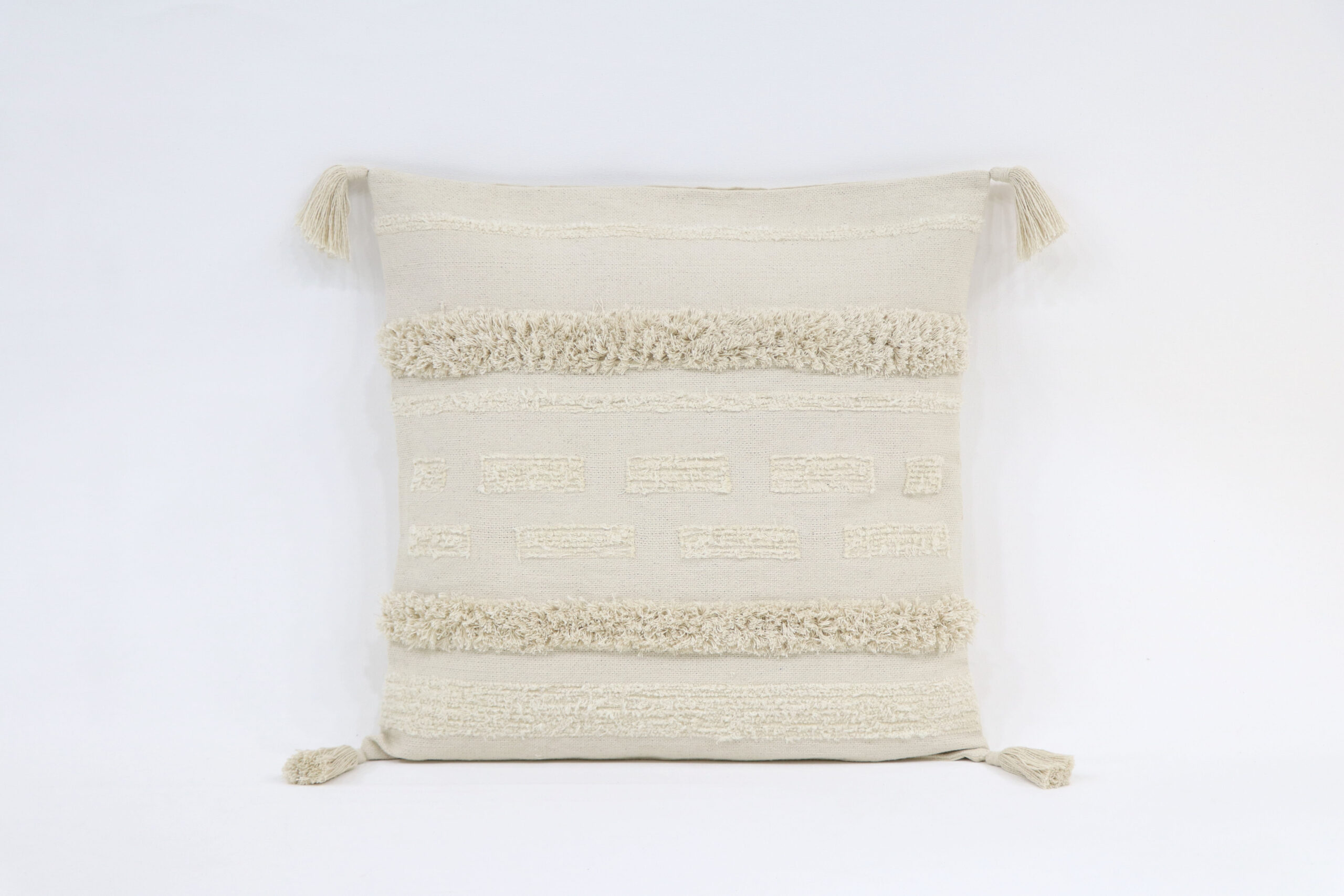
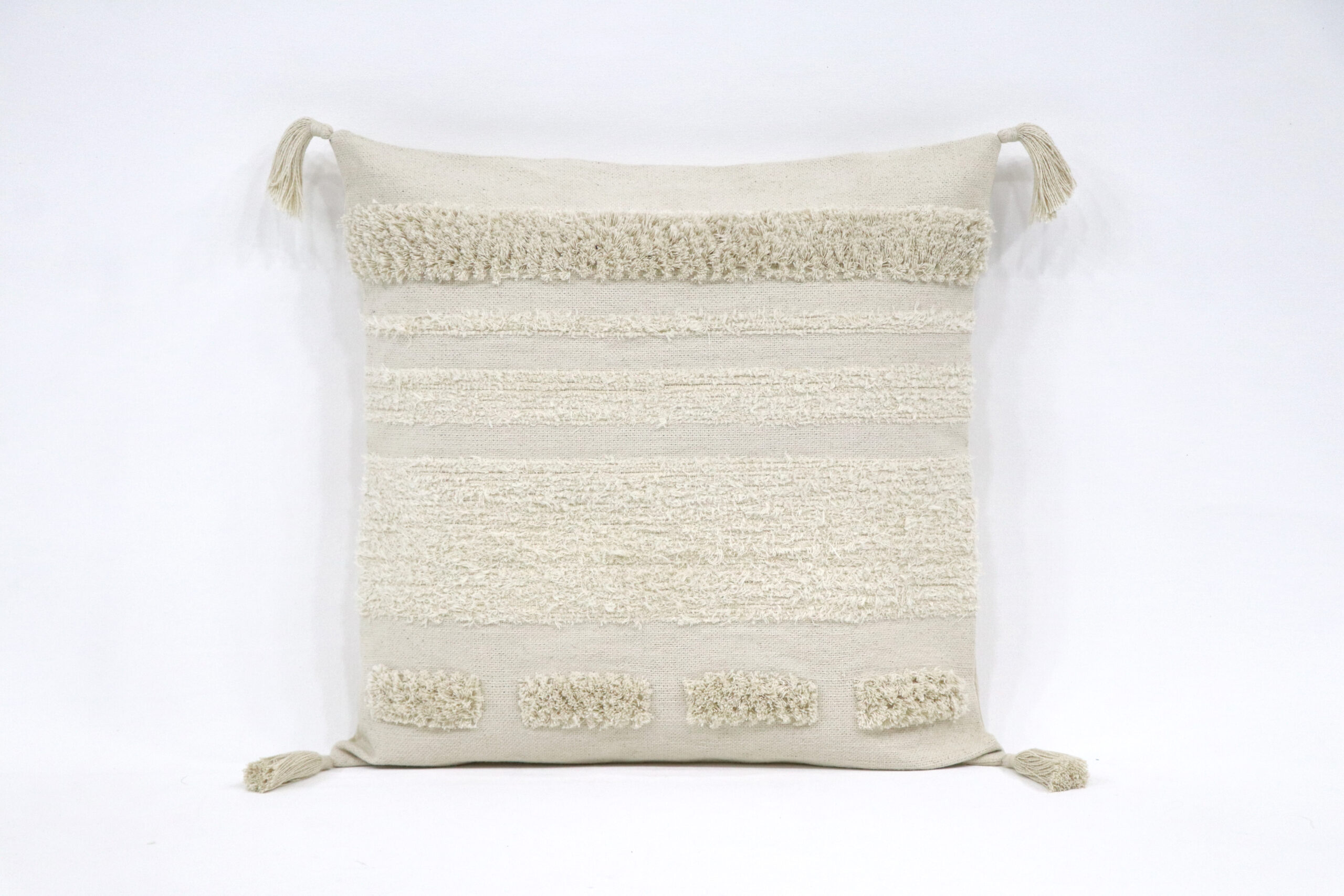
An informal meeting in 2014 between designer Runa Klock and social entrepreneur Amar Bokhari laid the foundation for restoring and continuing the vision of creating unique handmade textile and interior products. Through this work, safe workplaces for women and men, as well as schooling for their children, were secured - an effort that started over 30 years ago. The story of Bokhari goes all the way back to the late 1980s, when the idea of producing the traditional Norwegian fillerya in Pakistan was born on a beautiful winter day at Maihaugen in Lillehammer.
People. Planet. Prosperity.
Sustainability, as Bokhari defines it, encompasses three essential dimensions: economic, environmental and social. These are often referred to as the "triple bottom line" - people, planet and prosperity. The balance and interconnectedness of these three factors determines what true sustainability is. Bokhari is dedicated to finding innovative solutions that reduce environmental impact while aligning with consumption and economic needs. This ensures a fairer distribution of resources, making sustainability achievable for both people and the environment.
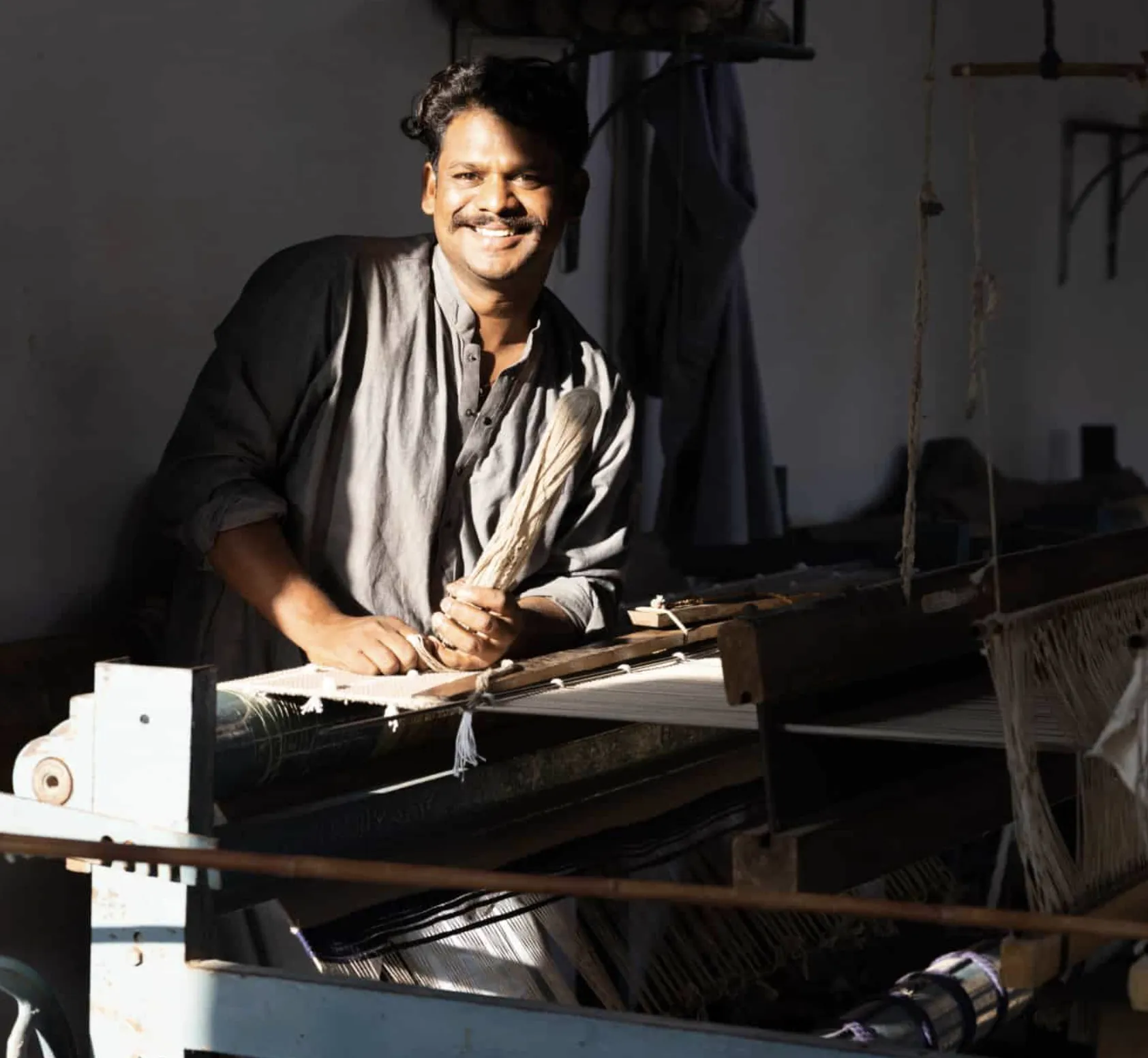
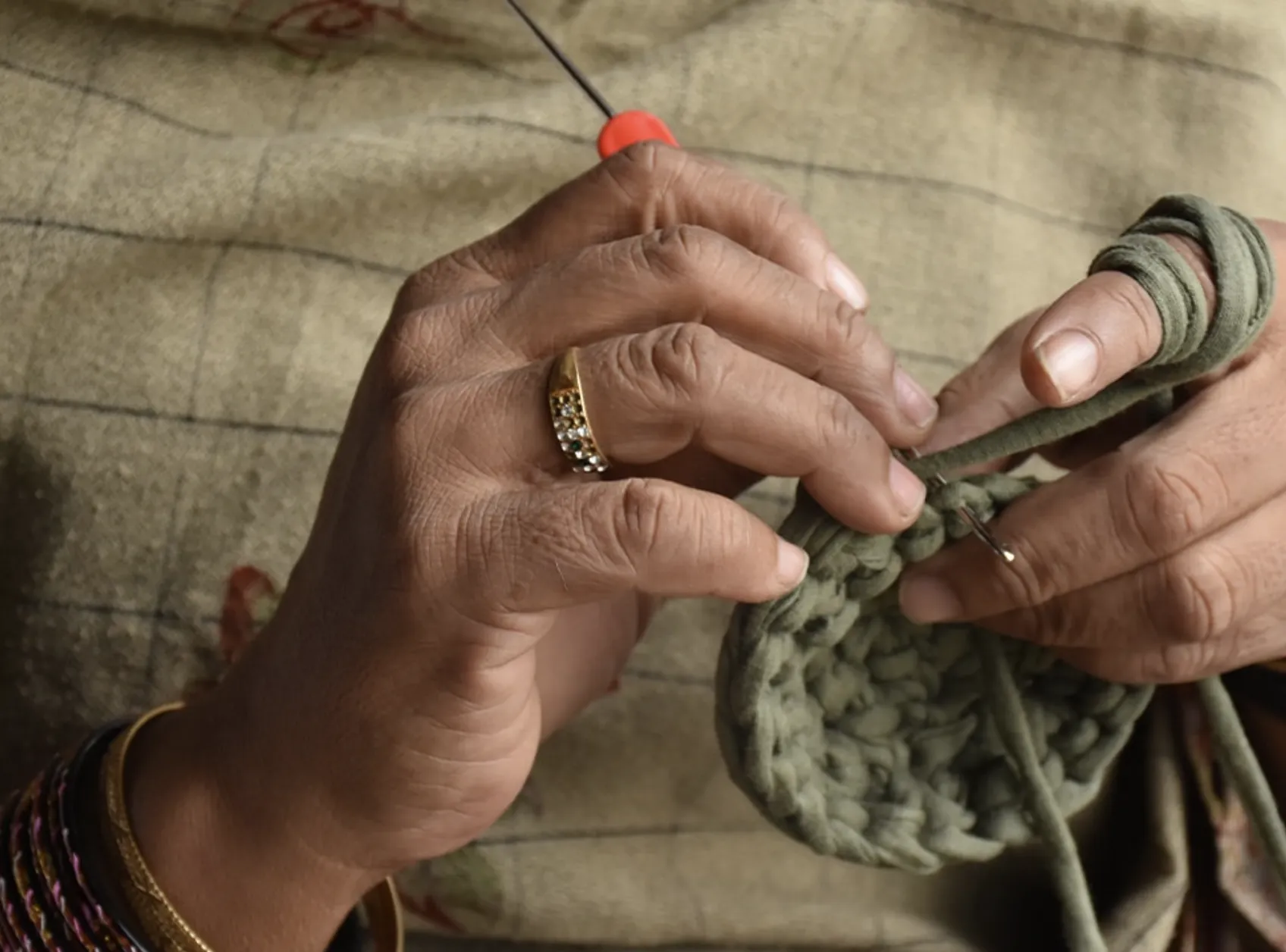
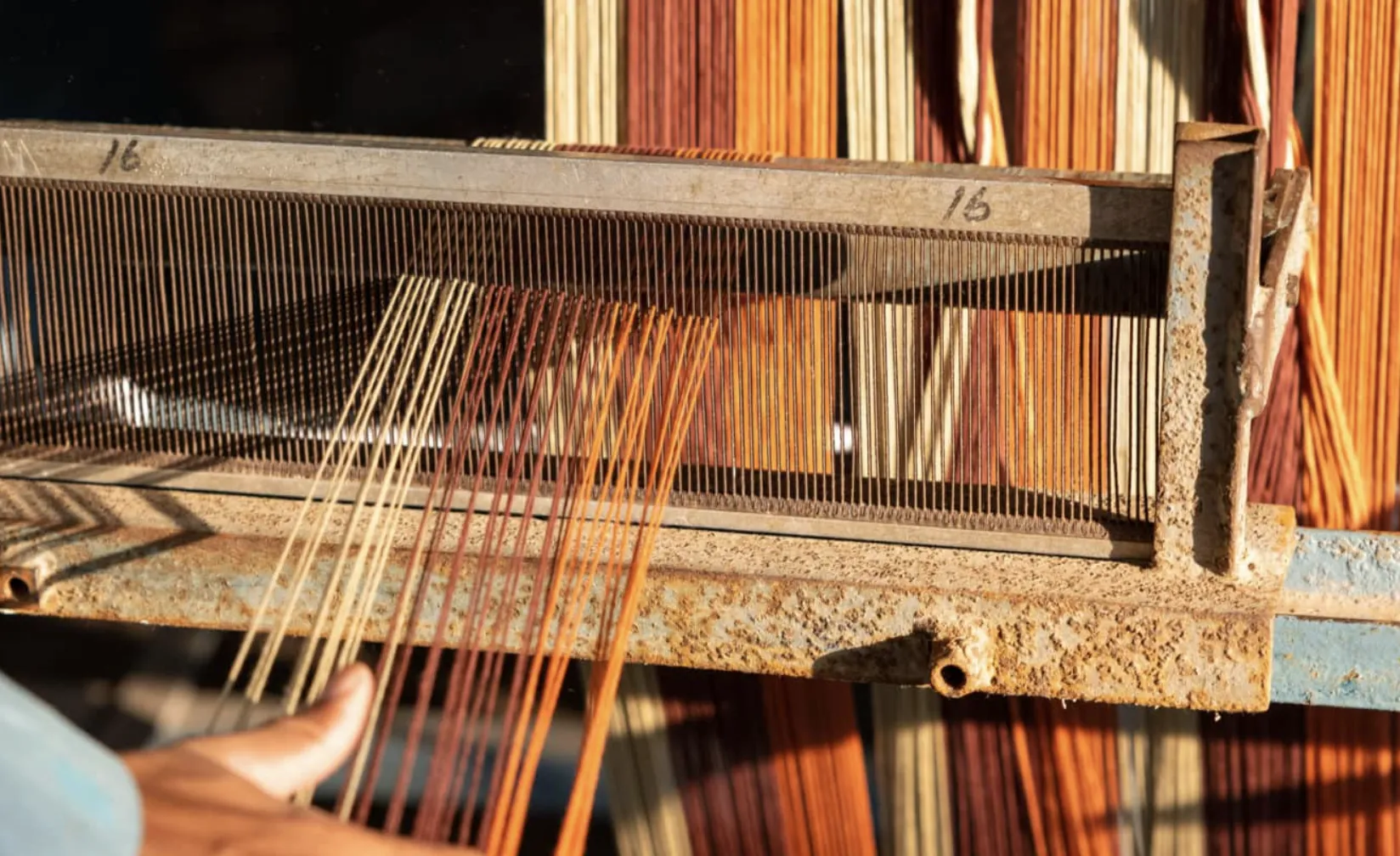

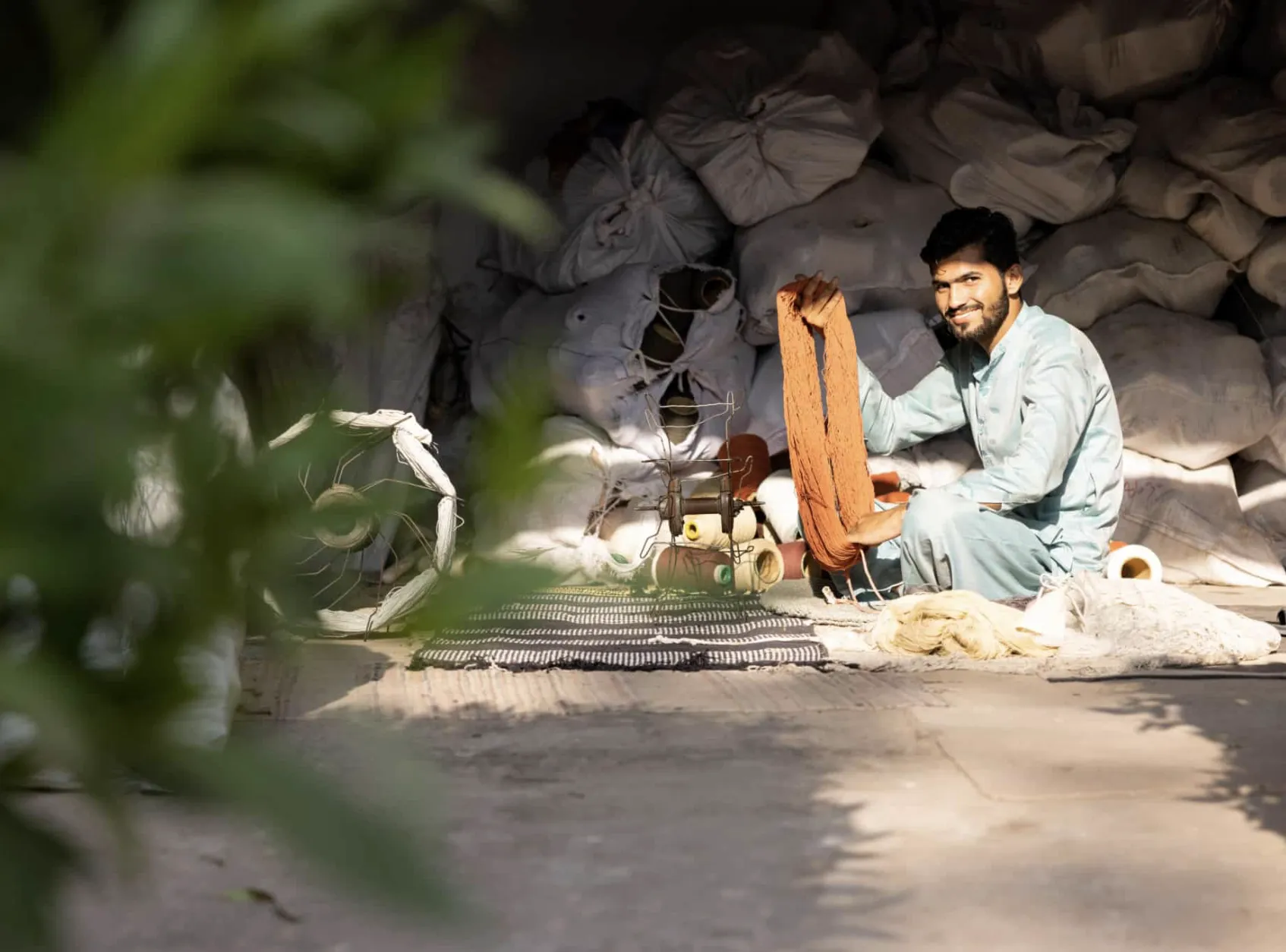
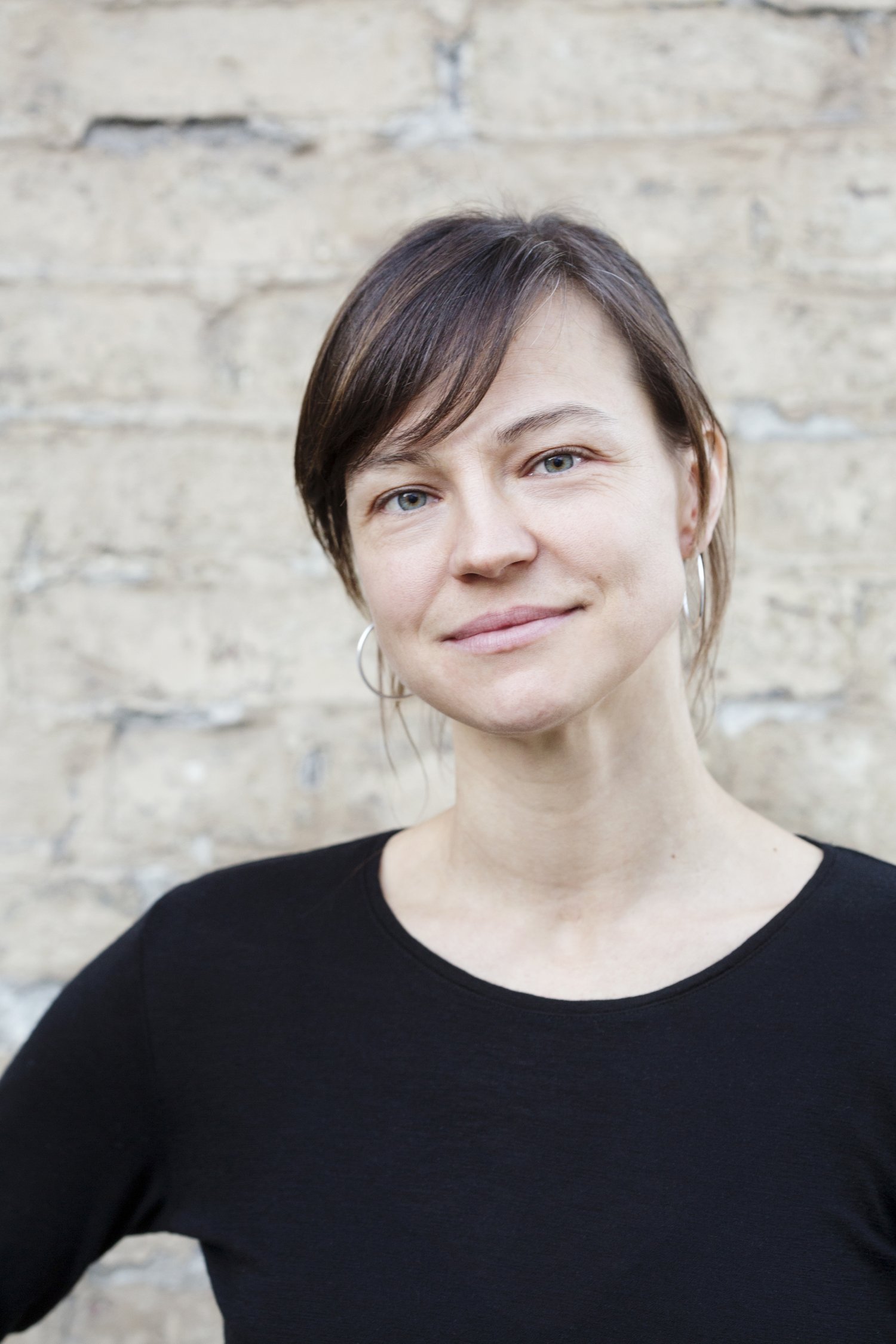

At Bokhari, Norwegian design and Pakistani craftsmanship meet in the creation of beautiful interior and textile products. In collaboration with selected Norwegian designers, Bokhari emphasizes responsible and sustainable production, where only natural, recycled or reused materials are used in all handmade products. This approach not only contributes to safe and decent workplaces for hundreds of artisans in Pakistan, but also ensures schooling for their children at the LAMS school, which is adjacent to the weaving mill.
An informal meeting in 2014 between designer Runa Klock and social entrepreneur Amar Bokhari laid the foundation for restoring and continuing the vision of creating unique handmade textile and interior products. Through this work, safe workplaces for women and men and schooling for their children were secured - an effort that started over 30 years ago. The story of Bokhari stretches all the way back to the late 1980s, when the idea of producing the traditional Norwegian fillerya in Pakistan was born on a beautiful winter day at Maihaugen in Lillehammer.
Sustainable. Human. Engaged.
Do companies have a responsibility to people and the environment? At Bokhari, the answer is a loud and clear YES. By taking responsibility beyond expectations and pushing the boundaries, they strive to make their small but meaningful contribution to a better world.
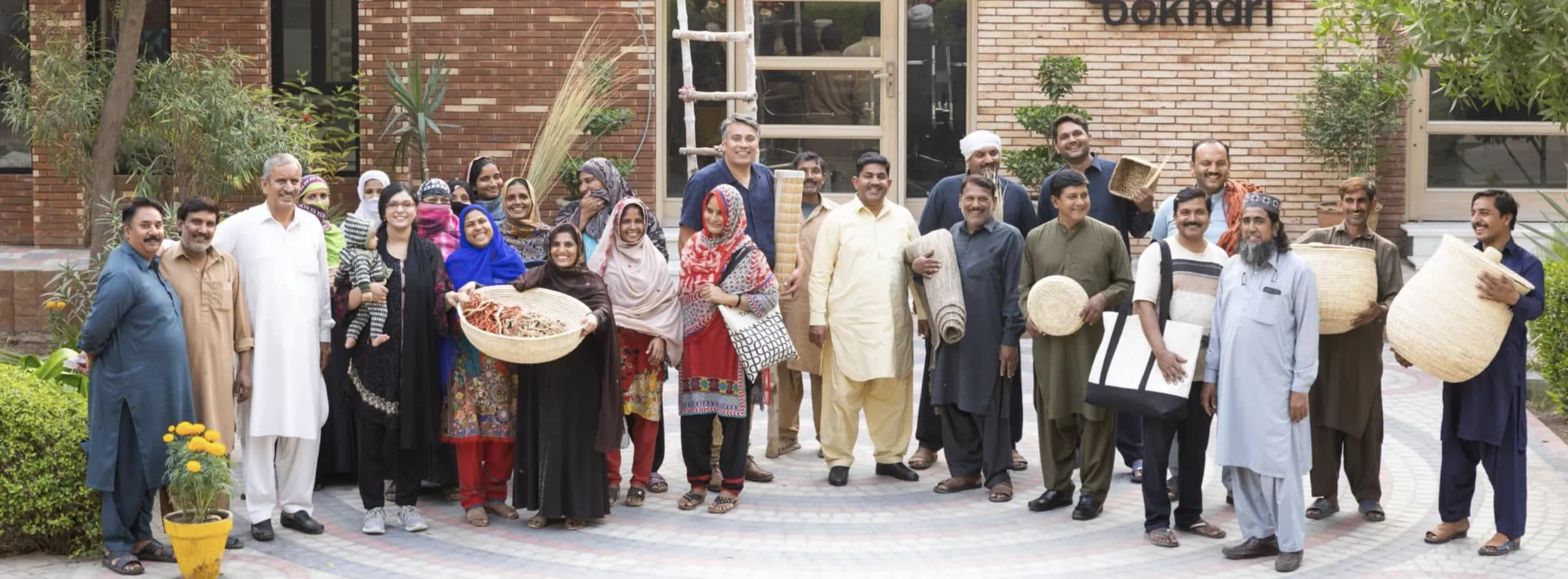
Bokhari consists of over 450 women and men in Pakistan and Norway. Creative Director Runa Klock and General Manager Amar Bokhari, together with Warehouse Manager Monica Breivik, handle all work in Norway, while all production takes place in Sultan Town, a suburb of Faisalabad in Pakistan. There, all our products are produced by skilled craftsmen, mainly women. Our shared vision is to contribute to a more sustainable future for people and the planet.
Certifications
Certifications are very useful for ensuring that all activities at our weaving mill comply with applicable international standards, while also helping to ensure that our suppliers also follow these strict requirements. Nevertheless, we have chosen to go beyond the minimum requirements set by the certifications. We work continuously to ensure that in everything we do, we exceed expectations - in this way we can contribute to a truly sustainable impact on people and the planet.
We currently hold the following certifications:
Global Recycled Standard, Fairtrade, ISO 14001: 2015, ISO 45001:2018, ISO 9001: 2015 and Sedex/SMETA.